Blog
What can we learn from the Italian leather and textile sector? 15/09/2026
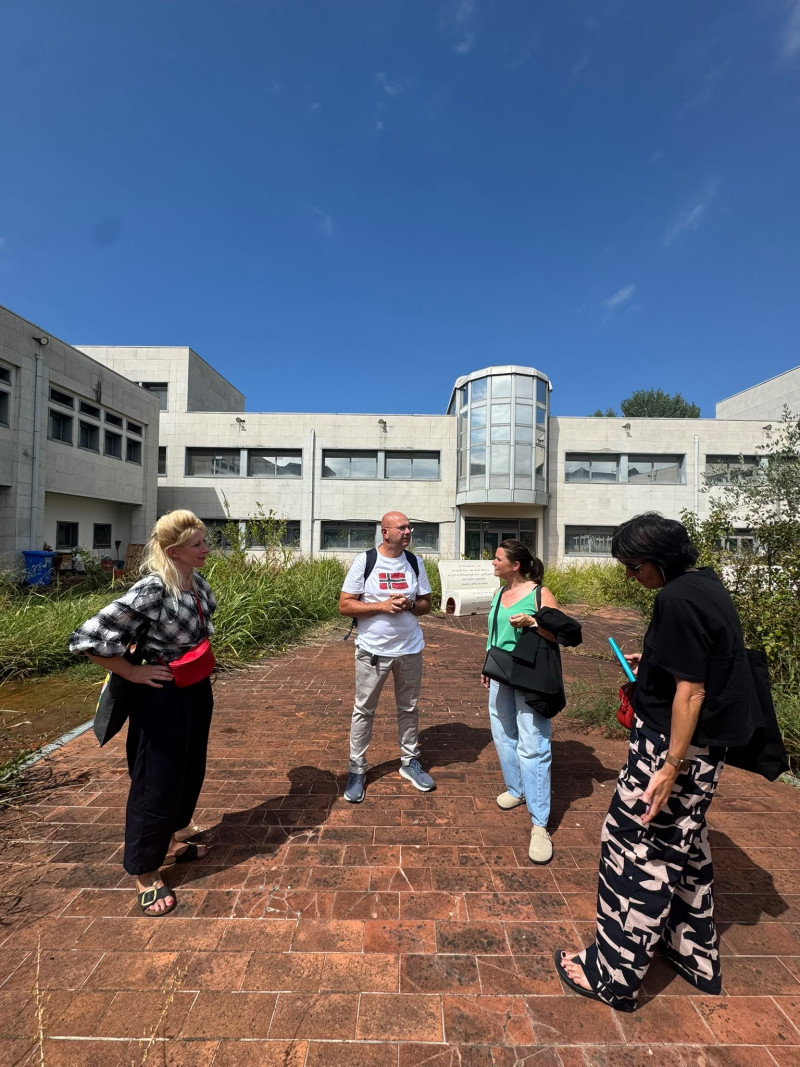
During an Erasmus+ study visit to Florence and Prato, our coordinator Eef Theys and teacher Evi Goovaerts explored vocational schools, workshops and innovative companies to gain inspiration for our leatherworking programme.
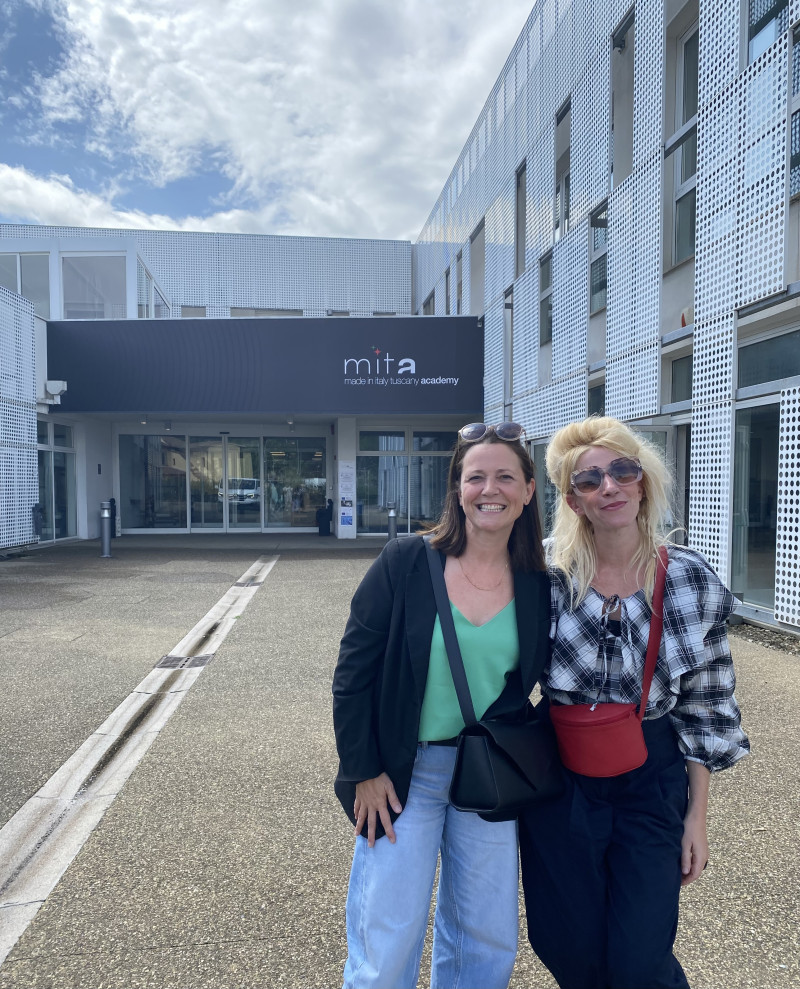
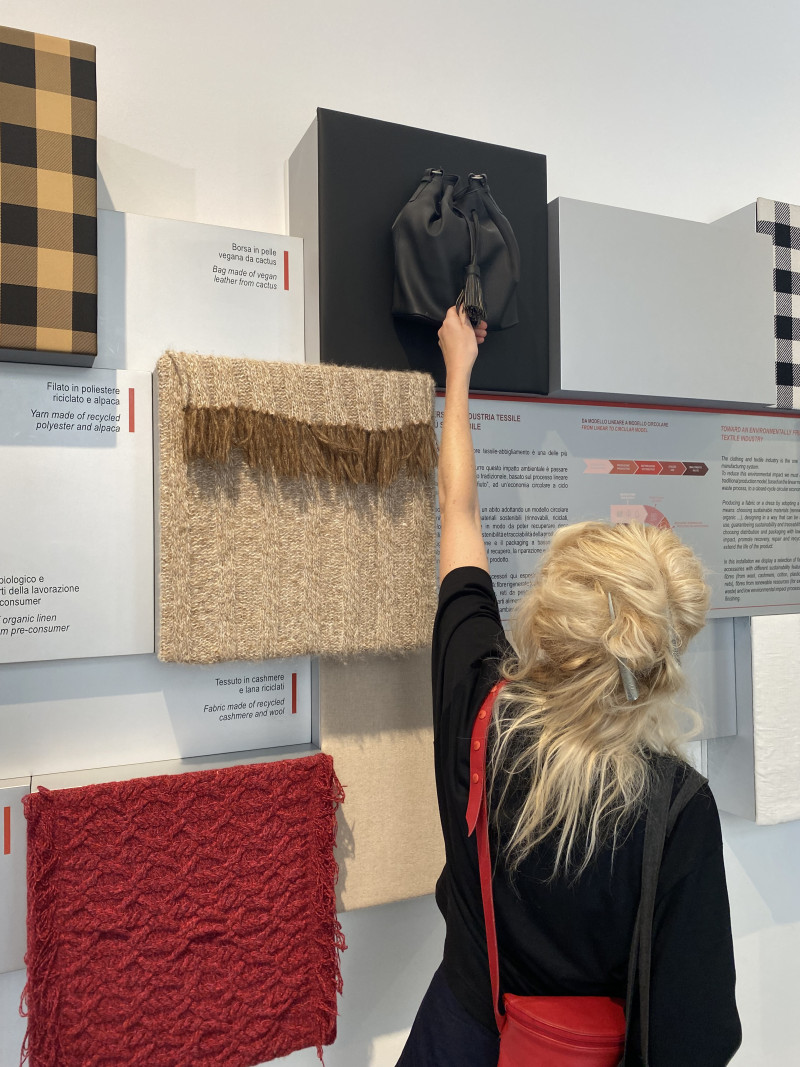
At MITA Academy and the Russell-Newton Institute, we discovered a broad approach to leather education. Alongside production skills, these schools place a strong emphasis on innovation, marketing, technology and sustainability. The importance of circular thinking particularly stood out. As a result, we aim to further strengthen our focus on reusing leather and hardware, sustainable materials and leather repair within our own programme.
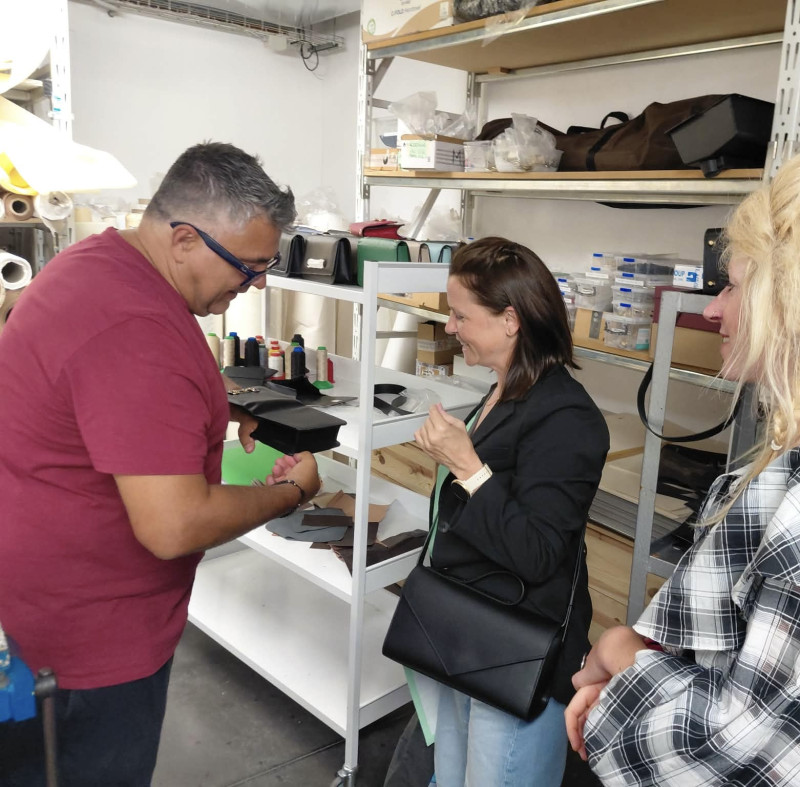
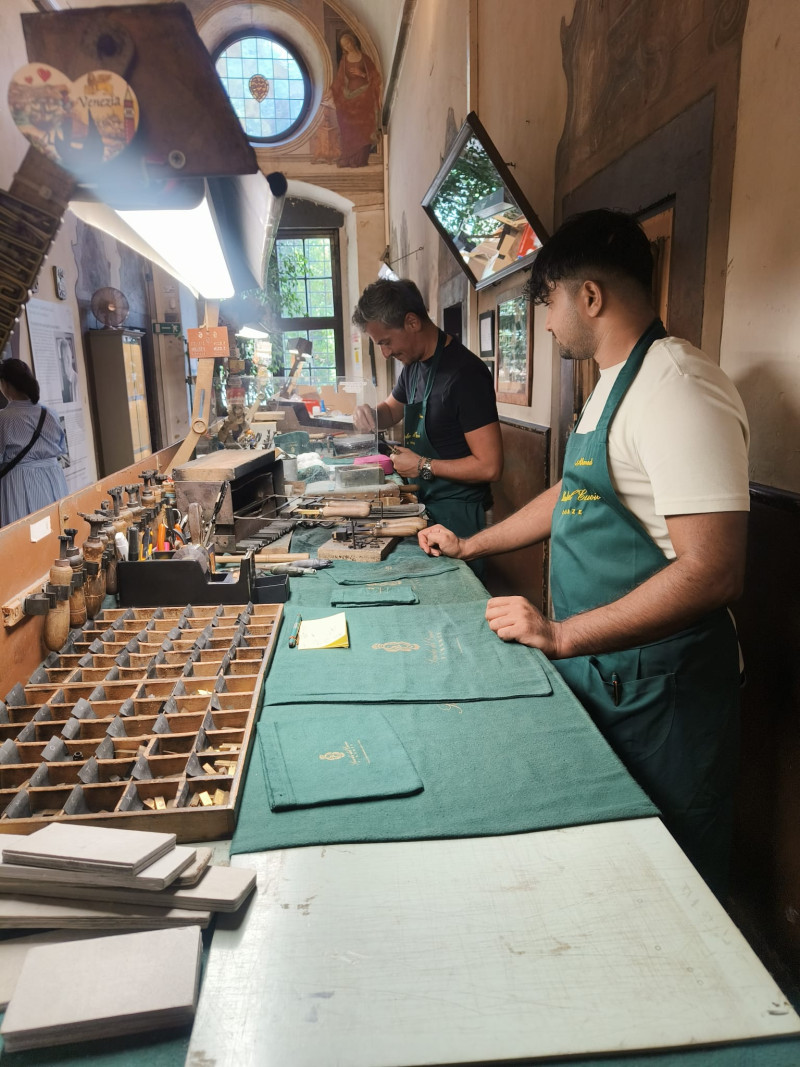
In Florence, we visited both authentic leather workshops and places that revealed the less attractive side of mass tourism. We saw how crucial craftsmanship, transparency and quality are in a sector where authenticity cannot always be taken for granted. We also explored workshops producing not only handbags, but also leather jackets and gloves. This inspired us to consider introducing new leather applications into our curriculum in the future.
One of the most inspiring visits was to ITIS Tullio Buzzi in Prato, a renowned textile school. Students there first learn traditional craftsmanship and work with historical machinery before moving on to modern technologies. This approach closely reflects our own educational vision. We are now exploring how traditional techniques such as wet moulding, hand stitching and leather manipulation can be further integrated into our courses and connected to contemporary design.
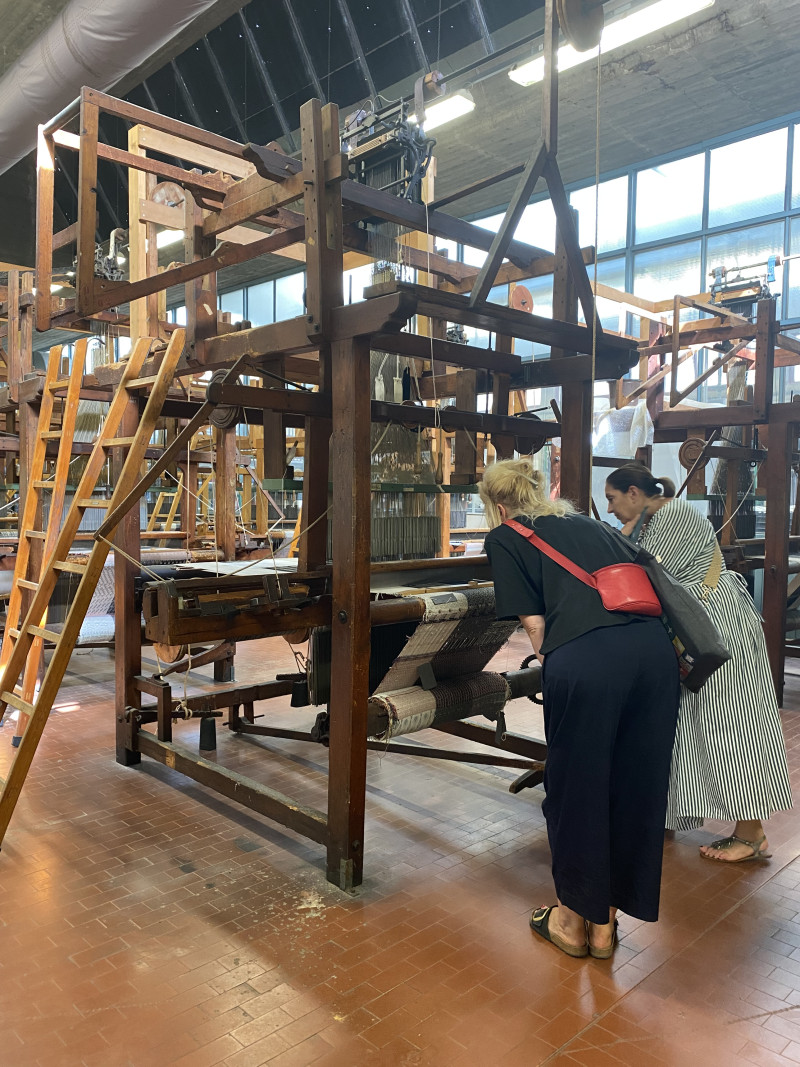
The Textile Museum of Prato also made a lasting impression. The way materials, techniques and textile history are presented visually and through hands-on experiences demonstrates the power of multisensory learning. This inspired us to further develop experiential learning opportunities at Crescendo CVO and to give greater visibility to materials and techniques within our learning environment.
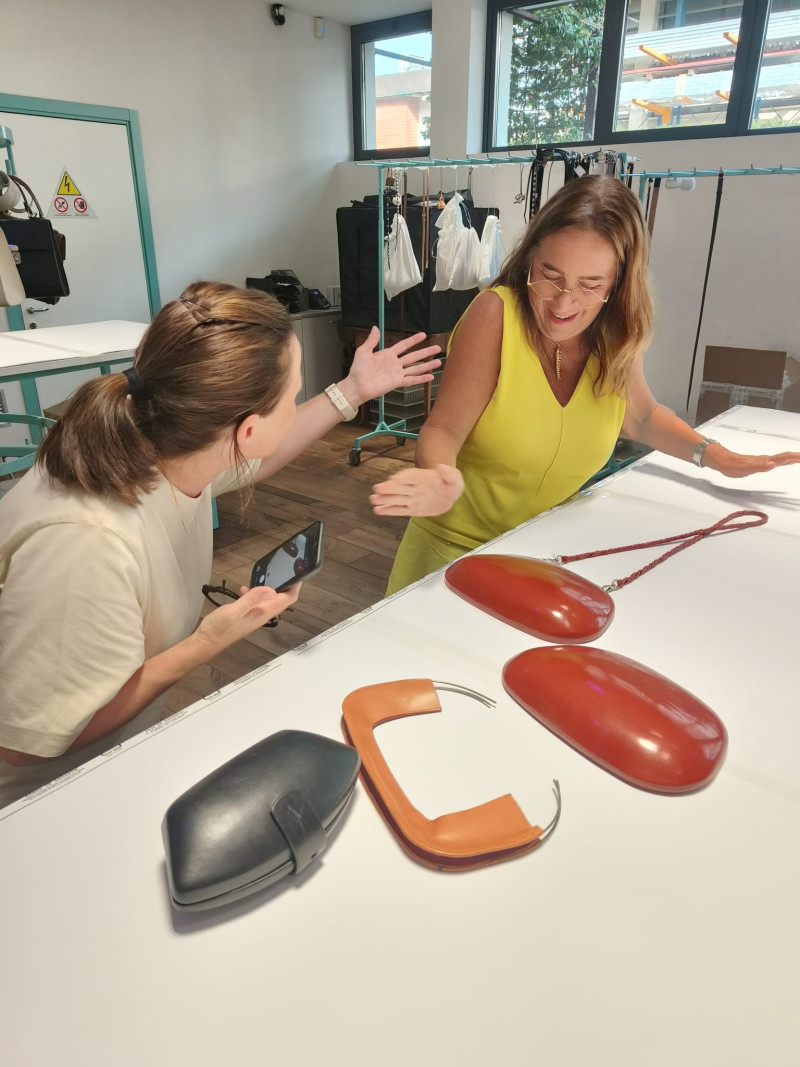
A particular highlight was our visit to Giorgio Linea, where Barbara Ricchi shared insights from her collaborations with leading international fashion houses and designers. We gained valuable knowledge about specialised techniques, innovative applications of leather and the way craftsmanship can evolve into high-end design and interior projects. These practical insights will undoubtedly enrich our teaching.
The study visit not only generated new ideas for our programme, but also strengthened collaboration within our team. Inspired by sustainability, craftsmanship, innovation and design, we look forward to translating these experiences into our classrooms and offering our learners new perspectives on the craft of leatherworking.