Blog
Circular Fashion in Practice 18/03/2025
Reuse, Circular Techniques, and Sustainable Creations: Fashion Programs That Inspire
Why Circular Fashion is Here to Stay
A sad reality: fast fashion, overconsumption, and textile waste weigh heavily on the climate, deplete resources, and give the fashion sector a large ecological footprint. Honestly? Our overflowing store racks and packed closets say it all.
The good news? We can do it differently. Sustainable fashion is here to stay, both figuratively and literally. It starts with design, material choices, and how you work with them.
How to Reuse Fashion
At Crescendo CVO, we don’t wait for change — we help drive it through onze duurzame mode-cursussen. Not through big theories, but through concrete practice. We work as much as possible with existing materials and reuse them. Students learn to see materials differently, think about alternatives, and revalue materials instead of replacing them.
Waste? We See Opportunities!
Sustainable fashion is not a trend, and every contribution, no matter how small, counts. And make no mistake: our fashion programs are not only sustainable and future-oriented, but also creative. A circular approach in fashion is no longer a nice extra — it’s essential. Anyone wanting to succeed in the fashion sector must master these circular techniques. With material knowledge, technique, innovation, and imagination, our students make fashion that makes a difference.
How We Implement Reuse in Our Fashion Courses
Sustainable thinking is good; sustainable doing is even better. That’s why circular design principles and reuse are included in all fashion courses. Here’s a glimpse of our circular fashion ideas:
- ✓
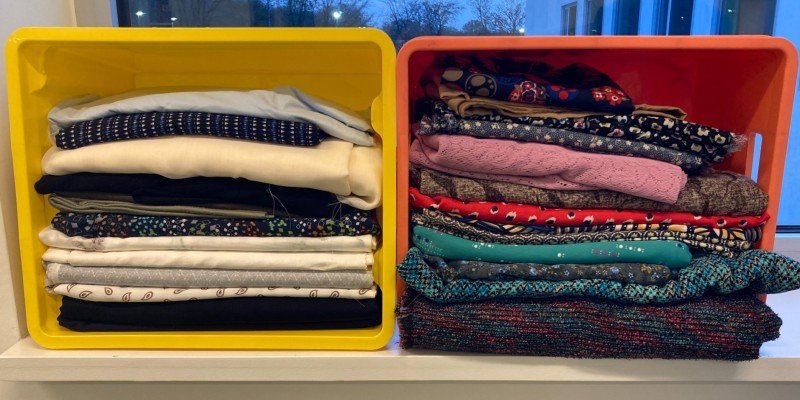
Swap Boxes for Fabrics and Notions
On our Vilvoorde and Tervuren campuses, swap boxes for leftover fabrics are available. Students leave fabrics and notions they no longer need. Anyone can take a piece and use it — voilà, a new design!
- ✓
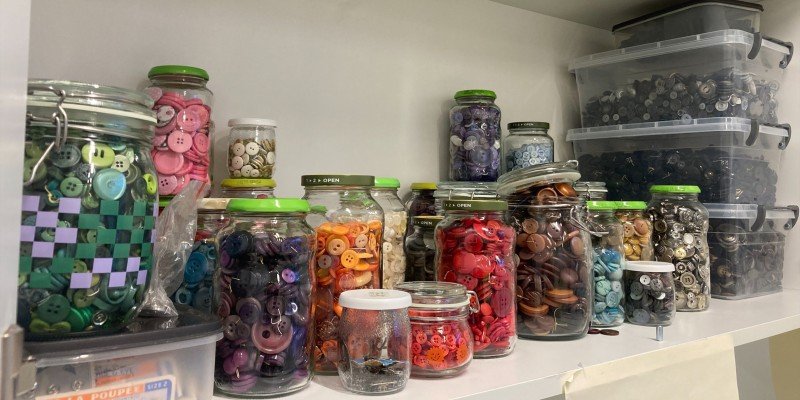
Jars Full of Buttons: Colorful and Circular
In Tervuren, we have boxes of buttons sorted by color. Leftovers? Maybe. But our students make great discoveries here. Vilvoorde is also preparing button boxes.
- ✓
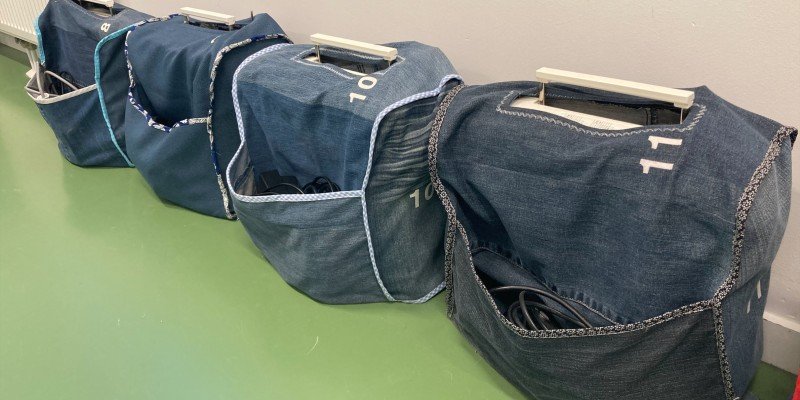
Sewing Machine Covers from Recycled Jeans
Old jeans become sturdy, original sewing machine covers. Note the contrasting piping for a playful touch. Practical and circular — a perfect example of fashion upcycling.
- ✓
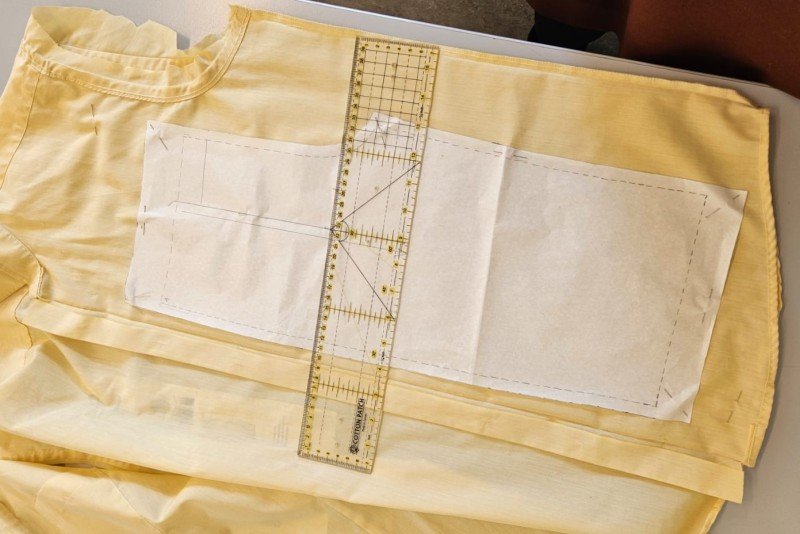
Circular Textile Program ‘Atelier Newborn Baby’
In this course, students work almost exclusively with upcycled materials. They make cute and sustainable baby items. This course is part of our circular, eco-labeled offerings.
From Old Flags to New Gym Bags
A prime example of circular fashion? Giving old flags from GO! Education of the Flemish Community a new life. After a branding update, the flags were no longer usable. Our fashion courses turned them into gym bags for primary school students.
We have about 800 flags; the goal is to make at least 1,000 gym bags before the end of the school year,
says Anke Apers, Fashion Coordinator.
This approach not only reduces waste but also lowers school costs and promotes equal educational opportunities. A creative, sustainable, and social project.
A Story That Keeps Growing
Creating sustainable fashion that makes people happy requires ongoing experimentation. Ideas emerge as we go.
What do we know so far? A working group collects ideas from the workshops. A basic sustainable fashion course is already in development: very exciting. Great work happening in the fashion courses!
The world changes, and fashion changes with it. Those who learn circular techniques now won’t be left behind — they’ll lead the way.