Blog
Pistoia: an inspiring working visit to Italian schools. 12/05/2025
Between Tradition and Innovation
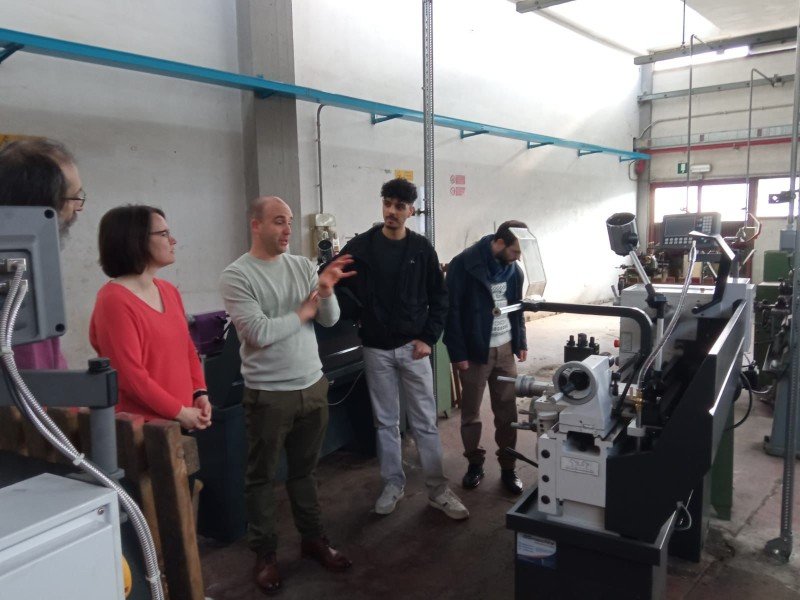
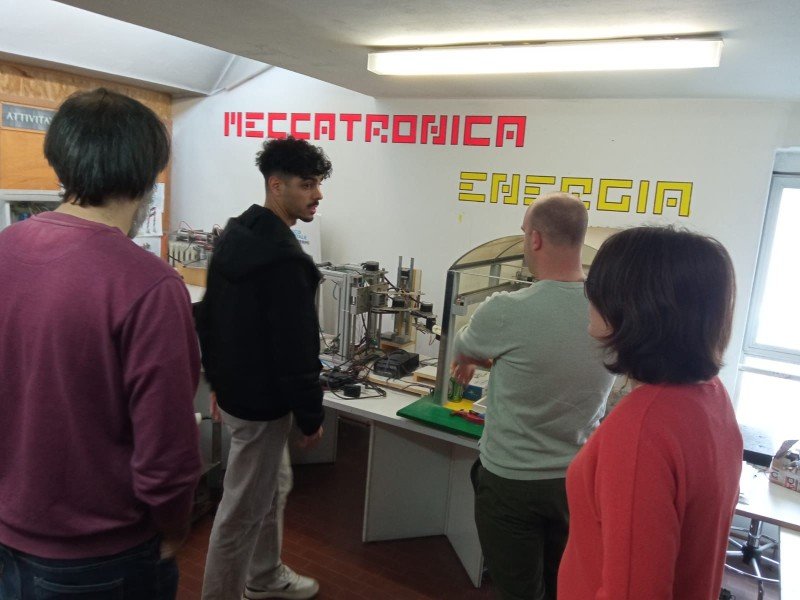
Although the visit began in Florence, the real focus was on the schools in Pistoia. We spent several days at I.T.T.S. “S. Fedi – E. Fermi,” a large technical school offering programs from electronics and mechanics to chemistry and construction. What immediately stood out was the combination of academic depth and project-based learning. For example, students design digital race cars for regional competitions or simulate model railways using PLC systems. And all of this is done with limited resources but abundant creativity.
In the construction program, we also saw how theory and practice come together beautifully. Students learn, in a playful way, how to create 3D models using photogrammetry, skills they later apply in the fields of surveying and technical drawing.
In Pescia, we visited ITS Marchi-Forti, a school we had previously welcomed in Belgium. It was particularly valuable to experience their work on site. There, too, the project-based approach stood out, with strong emphasis on technical training in electronics. Even though much of the work is simulated on computers, we saw motivated students with a clear focus on technical skills preparing them for the workforce.
Learning With and From Each Other
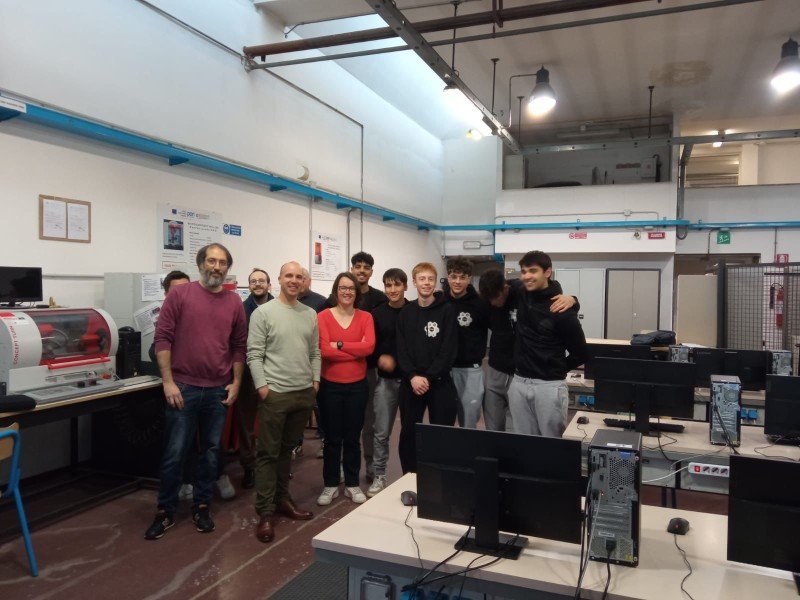
What repeatedly caught our attention was the students’ involvement. They guide visitors, explain their work, and visibly take pride in their projects. Teachers freely ask students for help with language barriers, and in turn, students step out of their comfort zones to translate and explain. The teacher-student relationship is warm and reciprocal—an excellent example of how relational closeness strengthens the learning process.
Adult Education: Similarities and Differences
Adult education was also highlighted. In Pistoia, we attended Italian and citizenship classes aimed at young people at risk of dropping out of day school. The school now offers them a flexible program: work during the day, study in the evening. We met a motivated group of learners preparing for Italian state exams, supported by a dedicated team.
The system differs from ours, with more focus on knowledge acquisition rather than competence development, but the shared drive to provide opportunities for adults connects us.
In Pescia, we also visited ITS Marchi-Forti, where we had previously hosted colleagues. It was enriching to experience the school from the inside. Again, we observed project-based work, motivated students, and a clear link to the labor market.
Teachers Make the Difference
Although some buildings need renovation, the human strength of education really stood out. We met engaged teachers who, despite a sometimes rigid system, teach with passion and dedication. These are professionals who dare to think outside the box and encourage their students to actively contribute to their school. Think of the student council that organized an entire theme day, including reception and security.
Inspiration for Our Practice
Our visit prompted reflection. How can we further develop project-based learning in our centers, with engaged students and a clear connection to the workplace? How can we make our teachers’ passion even more visible? And how can we give learners more ownership of their learning process?
With many impressions, ideas, and admiration, we return. This working visit was not a tourist trip, but a glimpse behind the scenes of fellow educators. And what we saw leaves us wanting more.