Blog
Strengthening Partnerships for a Strong Start to the Schoolyear 30/08/2026
Even before the new schoolyear officially began, a delegation from Crescendo CVO travelled to Bologna and Tuscany. The aim? To strengthen existing partnerships, explore new opportunities for cooperation and gain inspiration from fellow educational institutions that, just like us, are seeking answers to today’s challenges. And those challenges turned out to be remarkably similar. Just as in Flanders, Italian schools are looking for ways to strengthen learners’ language skills, provide better guidance and create smoother pathways towards further education and employment.
Bologna: Conversations That Will Continue to Inspire
Our visit to CPIA2 Metropolitano "Eduard C. Lindeman" was undoubtedly the central focus of this mobility experience. We were welcomed by Emilio Porcaro, Director of the CPIAs, who introduced us to their European projects and future ambitions. What struck us most was how much our organisations have in common. Meaningful discussions quickly emerged around language education, labour market-oriented pathways, microcredentials and the support of learners who require additional guidance to successfully complete their educational journey.
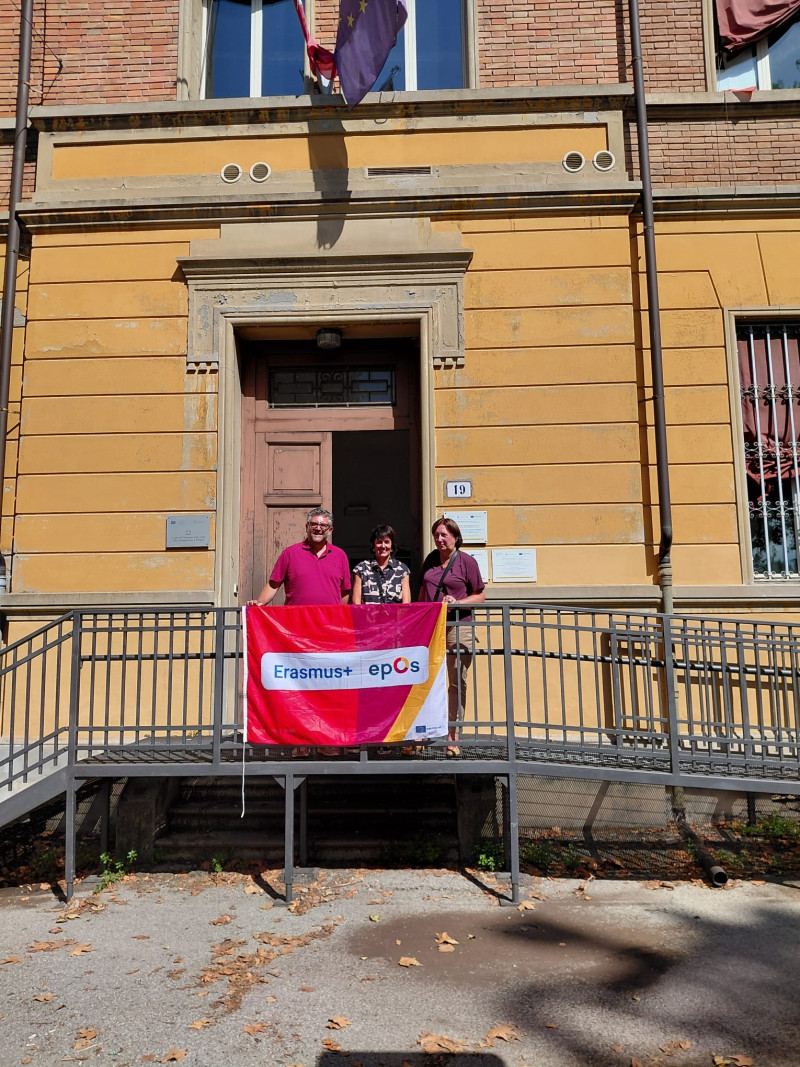
One particularly inspiring initiative involved future newcomers learning Italian online while still living in their home countries. Before arriving in Italy, they can obtain an A1 language certificate, allowing them to integrate more quickly into education and employment. This approach provided plenty of food for thought and connected perfectly with our own discussions on language learning and integration. Our Italian colleagues were equally interested in the way Crescendo CVO operates. Topics such as intake interviews, learner guidance, parental involvement and support for vulnerable target groups led to a lively exchange of experiences. The visit resulted not only in inspiring conversations but also in concrete agreements to continue exchanging knowledge and exploring new opportunities for collaboration.
A Shared Challenge: Language Learning and Guidance
These same themes reappeared during our visit to CPIA Pisa in Pontedera. There, we received a warm welcome from colleague Paolo Gori, director of CPIA Pisa and his colleague who had previously participated in a job-shadowing experience in Mechelen.
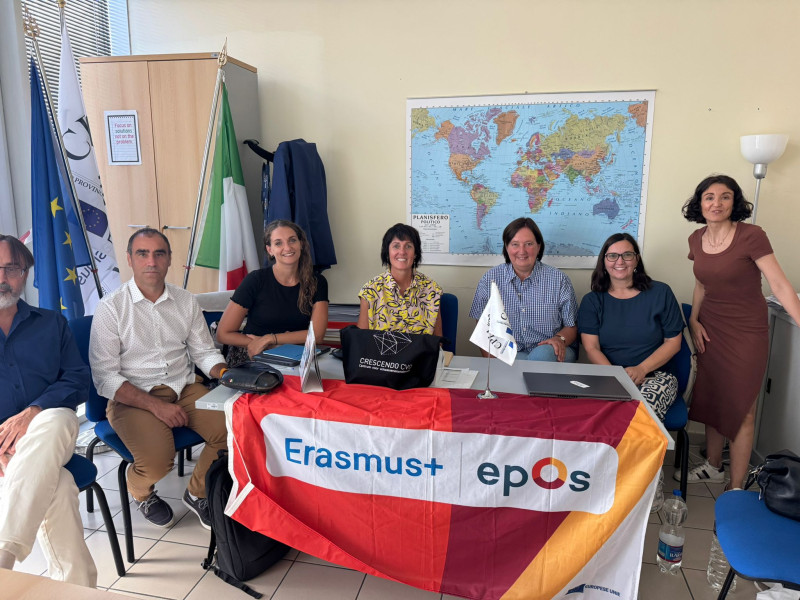
Together, we explored a question that is relevant both in Flanders and in Italy: how can we best guide young people without a diploma towards further education or sustainable employment? We exchanged ideas on language support, educational guidance and the role of vocational training. Our approach to learner intake and orientation also attracted considerable interest. The discussions were so concrete and constructive that a first online follow-up meeting has already been scheduled for the end of September. We were also introduced to their system of self-learning units, which allows learners to complete part of their studies independently online. Follow-up, guidance and feedback then take place during classroom sessions, ensuring that learners remain well supported throughout the learning process.
-800.jpg "WhatsApp Image 2026-08-30 at 12.08.44 (1).jpeg")
Proud of Craftsmanship
In Tuscany, together with two colleagues from our leathercraft programme, we visited several technical training centres, including ITS MITA, Russel-Newton and ITS Bucci. What immediately stood out was the close connection between education and industry.
At ITS MITA, we were given a behind-the-scenes look at programmes in the leather and fashion sectors. Modern technologies, specialised machinery and innovative software are an integral part of everyday learning. Yet what impressed us even more was the pride learners take in their work. Throughout the school, completed projects are prominently displayed, showcasing students’ skills and achievements.
-800.jpg "WhatsApp Image 2026-08-30 at 11.41.45 (1).jpeg")
At ITS Bucci, we saw how tradition and innovation go hand in hand. The workshops are exceptionally well equipped, but equally inspiring is the passion with which teachers pass on their expertise. Many of them are former students themselves, creating a strong sense of belonging and commitment to the institution.

Learning by Seeing, Touching and Experiencing
Another recurring theme throughout the week was the importance of hands-on learning. This was particularly evident in Prato, a city renowned worldwide for its textile industry.
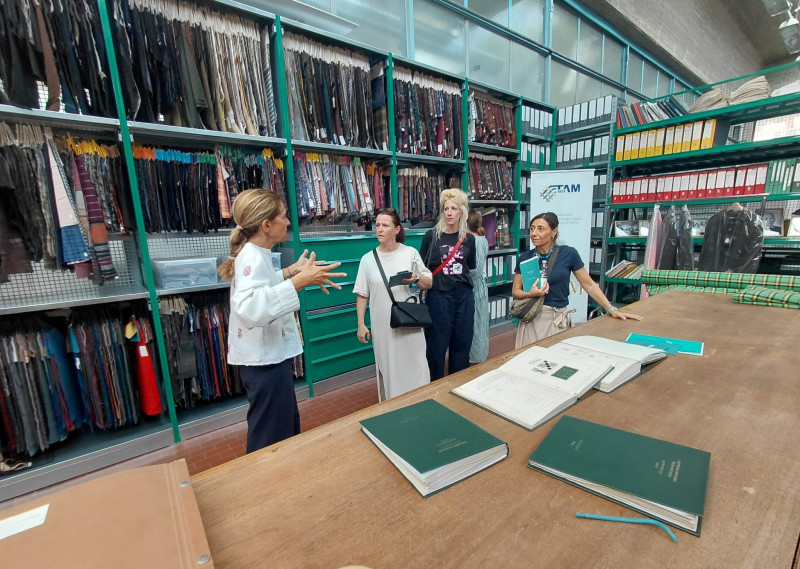
Both at ITS Bucci and at the Textile Museum, the entire production process is brought to life. Historic looms, sample libraries, materials and interactive learning resources help learners and visitors understand not only how products are made, but also why certain techniques and processes are used.
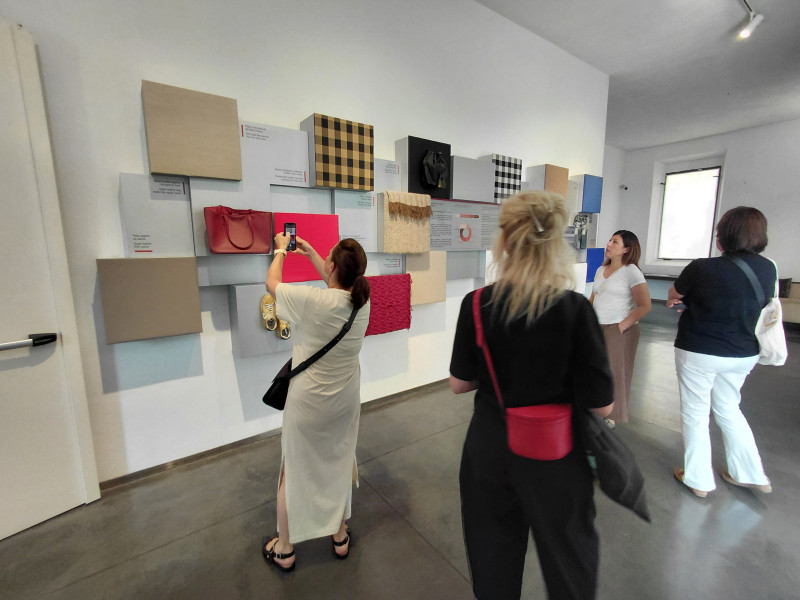
This combination of education, heritage and collaboration with companies and universities is truly inspiring. It demonstrates how powerful learning can be when knowledge is not only explained, but also made visible, tangible and experiential.
Returning to Mechelen with New Ideas
International mobility projects are about much more than a series of visits. They bring people together, generate new insights and lay the foundations for future cooperation.
We return to Mechelen with valuable inspiration on language support, guidance and orientation, cooperation with industry, and ways to make learning outcomes more visible. Above all, however, we return with stronger partnerships and new contacts that can help shape the future of Crescendo CVO.
Sometimes, a successful school year begins with a meaningful conversation, hundreds of kilometres from home.