Learning Dutch and discovering how language opens the world
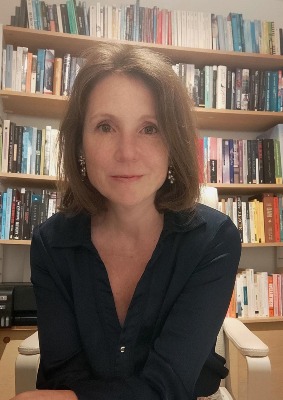
Learning “the language from hell” and living to tell how it opens the world
Over 12 years ago, Brazilian proofreader and translator, Valeria Haasper, moved to Belgium as an expat with her family. She speaks Portuguese, Spanish, English, and now French. However, learning Dutch was a challenge that initially terrified her.
Enjoying the conversation
Valeria Haasper: “When I arrived in Belgium, Dutch sounded impossible to learn. I chose French instead, as it was easier and more useful for my profession. I limited myself to one class per week to balance studies with work and family.”
“Later, I really enjoyed the advanced conversation classes. They were incredibly enriching, bringing together people from all over the world with diverse religious and cultural backgrounds. The teacher presented fascinating themes for discussion; I often left thinking completely differently after listening to other points of view. This group became very close and an important part of my life.”
“Then, last year, I started studying Dutch once a week alongside French, but the workload quickly became a challenge. With work, family, and both languages, my mind was overflowing. I decided to dedicate myself entirely to Dutch and let go of the French classes. It was heartbreaking, but the goal had been reached.”
Not for work but for wonder
“This year, I started NT2 twice a week to achieve faster results. Though the sounds were difficult to reproduce—a ‘language from hell,’ I used to say—I was shocked when I actually started learning: it’s surprisingly easy! The rules are very straightforward and simple, similar to English. I'm genuinely amazed and progressing quickly by doing all the exercises provided by the school (books, photocopies, and online).”
“Many classmates study Dutch for integration or to find a better job. Some face difficult circumstances and lack study time at home, which causes them to fall behind and eventually give up. My situation is different since I already have a career. However, I want to learn Dutch because it helps you understand how people think and opens your mind. Languages are also interconnected; when I visited Denmark and Germany, I understood some words. That feeling was incredible—a whole world opening in front of me.”
Bringing the energy
“The learning materials are great, but the pace is fast, with teachers following a clear program. I set my own goals and bring the energy, driven by my genuine desire to learn Dutch. The most difficult part is speaking; for now, it's still too hard. However, I know it takes time, and I have patience. It took years to speak French fluently, so I’m giving myself time. I know it's a process.”
How to learn Dutch
“People have the prejudice that Dutch is incredibly hard. But if you understand English, you'll find so many connections. Don't let the fear of failing hold you back—just try. Give it a chance and practice consistently by doing the exercises. Things will start to click into place, and you’ll surprise yourself. Also, Belgians truly appreciate your effort in learning their language, and all doors will open more easily for you.”
“The people I meet here are genuine, hard-working, and have strong values. I share that authenticity. Belgium is a good place to live, grow personally, and raise our children.”