Blog
5 tips for texture photography 18/03/2025
Textures make a photo tangible. Every surface is different and has its own texture: smooth, grainy, weathered, wrinkled, frayed…
By cleverly playing with light and settings, you can boost the effect of textures in your photos. But how do you do that?
Look and choose: don’t overthink it
Choose the right aperture for more or less sharpness
Keep the camera steady: avoid vibrations
Play with light and shadow for extra depth
Give textures more impact with post-processing
BONUS – The golden tip for texture photography: black-and-white photography
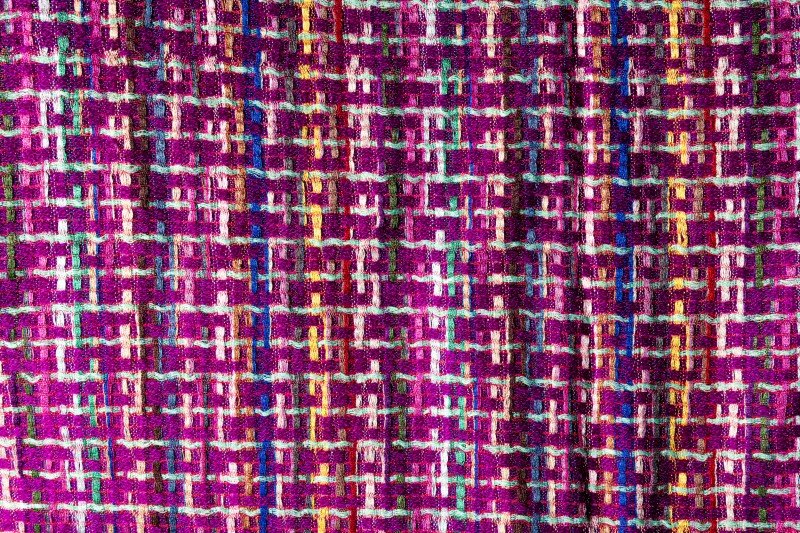
1. Look and choose: don’t look too far
Look around you: textures are everywhere. In nature, at home, at work, in the supermarket… The message is to slow down and observe. A smooth stone catches light in a very different way than the grainy pattern of salt or the bark of a conifer. Every texture is different and can become the subject of your next photo.
Inspiration: you can find it everywhere. Take a look around and choose a random subject. In the kitchen? Zoom in on grains of salt and create a miniature landscape. Outdoors on the go? Look for patterns in tree bark.
Do the test:
Thuis: Ontdek texturen in stoffen, keukeningrediënten en alledaagse voorwerpen.
Natuur: Boomschors, zand, bladeren en water bieden eindeloze textuurmogelijkheden.
Architectuur: Bakstenen, schilderwerk en verweerde materialen zorgen voor interessante patronen.
Abstracte textuur: Focus op structuren en composities waarbij textuur het hoofdonderwerp is.
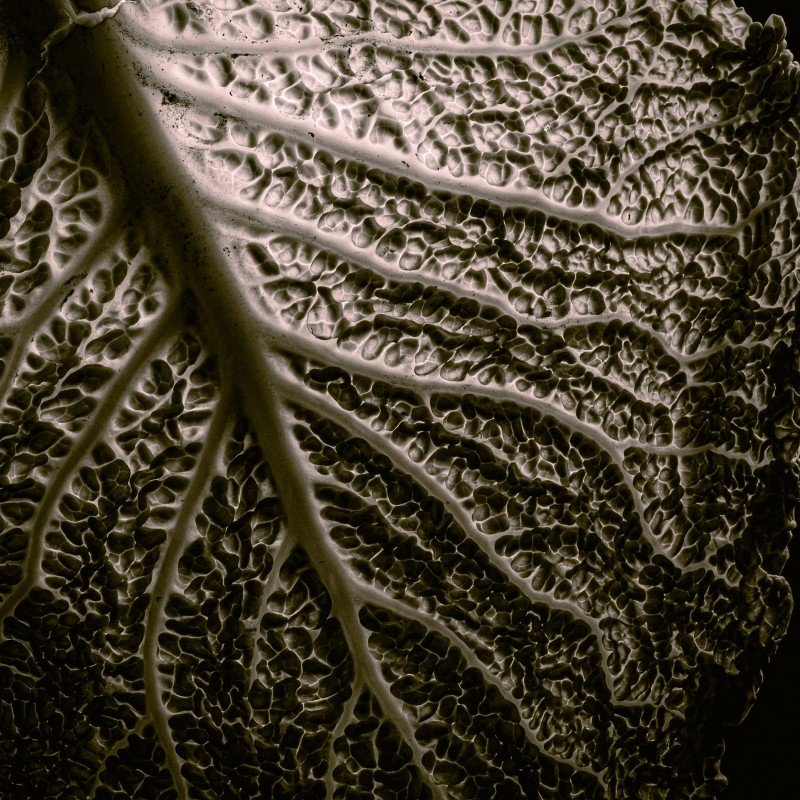 Foto door cursist Philip Verbeke
2. Choose the right aperture for more or less sharpness
How much detail you capture depends on your aperture setting. How does that work?
Dreamy, artistic effect?
A low f-number (such as f/1.8 or 2.8) results in a larger lens aperture. This means more light enters the camera and produces a soft, blurred background, known as the bokeh effect. It is perfect for capturing, for example, dew on a leaf in sharp detail while the background gently fades out.
Maximum sharpness?
Use a high f-number (such as f/8): a smaller aperture lets in less light and creates a greater depth of field. This way, more of your photo stays in focus.
Do the cauliflower test: capture the grainy florets in detail and make sure the small bumps and shadows remain perfectly sharp.
Do the test:
Photograph an object with a lot of texture in both ways and see how it affects the mood.
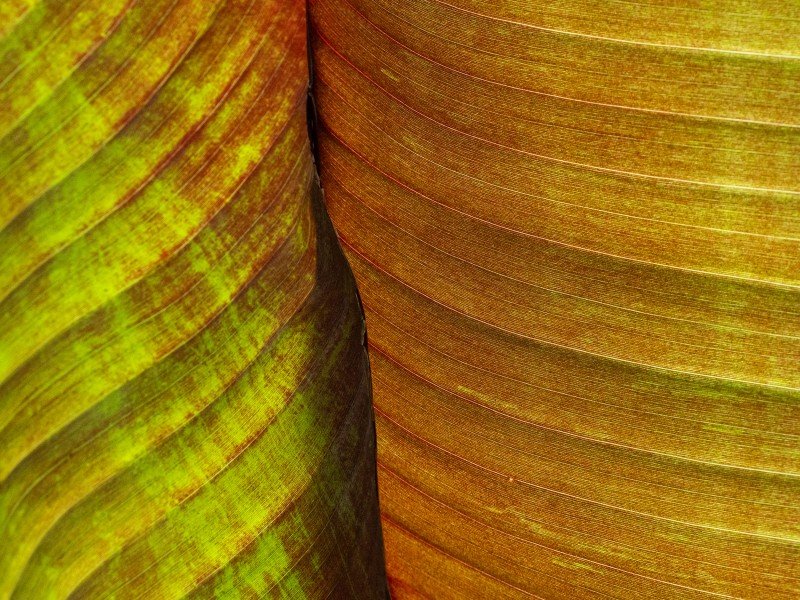
3. Keep the camera steady: avoid vibrations
To get the most out of textures, you sometimes want your subject to appear larger and more detailed in the image than what is visible to the naked eye. Even a small vibration can cause the effect to be completely lost. Such a waste, right?
Stability is the key to perfectly sharp texture photos.
Use a tripod: it prevents vibrations and ensures razor-sharp close-ups, especially when you choose a smaller aperture and a longer shutter speed.
No tripod? Then use a remote shutter release or your camera’s self-timer.

4. Play with light and shadow for extra depth
Light can make or break a photo. This is especially true when capturing textures, where light determines how details come to life and what mood your photo conveys.
Soft, natural light – for example during the golden hour – creates subtle effects without harsh contrasts.
Side lighting gives rough surfaces extra depth. It also creates more contrast with striking shadows and dramatic effects.
By consciously choosing natural or artificial light and playing with angles, you can make the texture stand out in the way you envision.
Do the test:
- ✓
Use different light sources, settings, and angles on the same subject. What creates contrast and the most dramatic effects?
5. Give textures more impact with post-processing
Is your texture photo lacking stopping power? Time to experiment with post-processing: give your image more expression by increasing contrast or create more depth by adjusting blacks and highlights.
Experiment with composition: rotate, flip, crop, and discover how your image completely changes. Sometimes the magic lies in one simple tweak.
Do the test:
- ✓
Increase the contrast by adding texture in Lightroom, adjust light and shadows, and compare the impact on the textures.
- ✓
Be careful not to overdo it, otherwise it can quickly start to look unnatural.
BONUS
The golden tip for texture photography: BLACK-AND-WHITE PHOTOGRAPHY
Stronger contrast: Without color, structures, patterns, and lines become the essence of the image.
Repeating patterns: Repeated lines and shapes create a rhythmic effect in your photo.
Depth and contrast: Shadows and highlights play a crucial role in enhancing textures.
Go out and test your creative talent
What do you need? Curiosity. For everything else, we’ve got you covered!
Want to know more or sign up?