Blog
International Study Visit to CPIA La Spezia: inspiring insights into collaboration, local projects, and community building 12/01/2026
From 6 to 9 January, Marleen Mast and Ariane Jacobs travelled to La Spezia for an Erasmus+ job‑shadowing exchange. For three days, we immersed ourselves in Italian adult education. The welcome was warm, the projects vibrant, and the inspiration… plentiful.
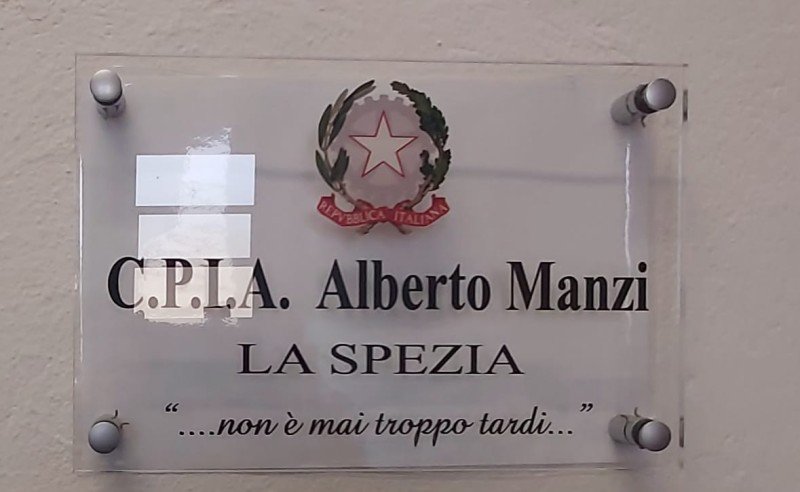
CPIA La Spezia: a school that lives, breathes, and connects
At CPIA La Spezia, we were immediately immersed in a dynamic school culture. What stood out from the very beginning was their strong focus on collaboration — with volunteers, local organisations, other schools, and the city itself.
1. Volunteers strengthening the classroom
CPIA works with an impressive network of dedicated volunteers — often retired teachers. They support learners who have missed classes or need additional help.
Volunteers are trained on site, take part in intervision sessions, and are closely involved in pedagogical decision‑making. The sense of connection and community is remarkable.
2. A diverse learner population in a city full of opportunities
La Spezia is on the rise: the port, shipbuilding industry, and related sectors attract international talent. The result? A colourful mix of learners studying Italian as a second language to find their way into the labour market.
3. An intake process that leaves no one behind
Every week, there are three fixed intake moments. Interested learners arrive in groups of eight, answer a series of questions, and complete a level assessment. Afterwards, they are placed directly into a class — learners can join throughout the entire school year.
This requires extra effort from teachers, but thanks to strong teamwork and small-scale organisation, it works very well. Waiting lists do exist but remain limited.
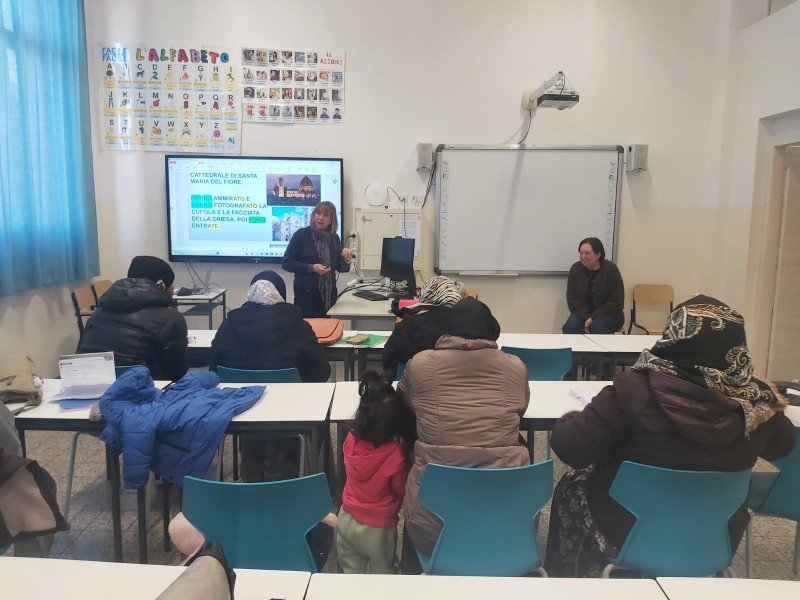
4. Bringing the city to life with QR codes
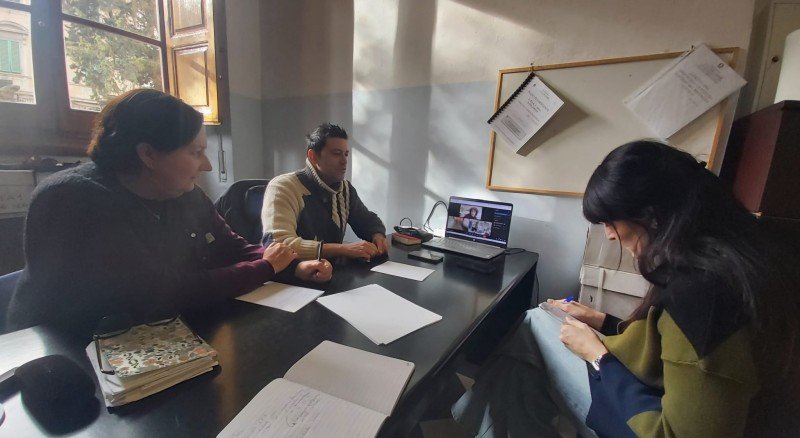
We joined a hybrid meeting about a city project where students develop a walking route in La Spezia using QR codes. Through local heritage, stories, and digital content, they put the city on the map. A beautiful example of language learning through real-life contexts.
5. Digital power: three screens and a digital learning environment
We were impressed by the way some teachers work simultaneously with three screens. Textbooks are hardly used — almost everything happens digitally.
6. Connection as a foundation
What makes CPIA unique is its strong sense of social cohesion. Teachers know all learners personally, step in for each other effortlessly, and create a warm, family-like atmosphere. Teamwork is not a slogan — it is their daily reality.
7. Focus on pathways to employment
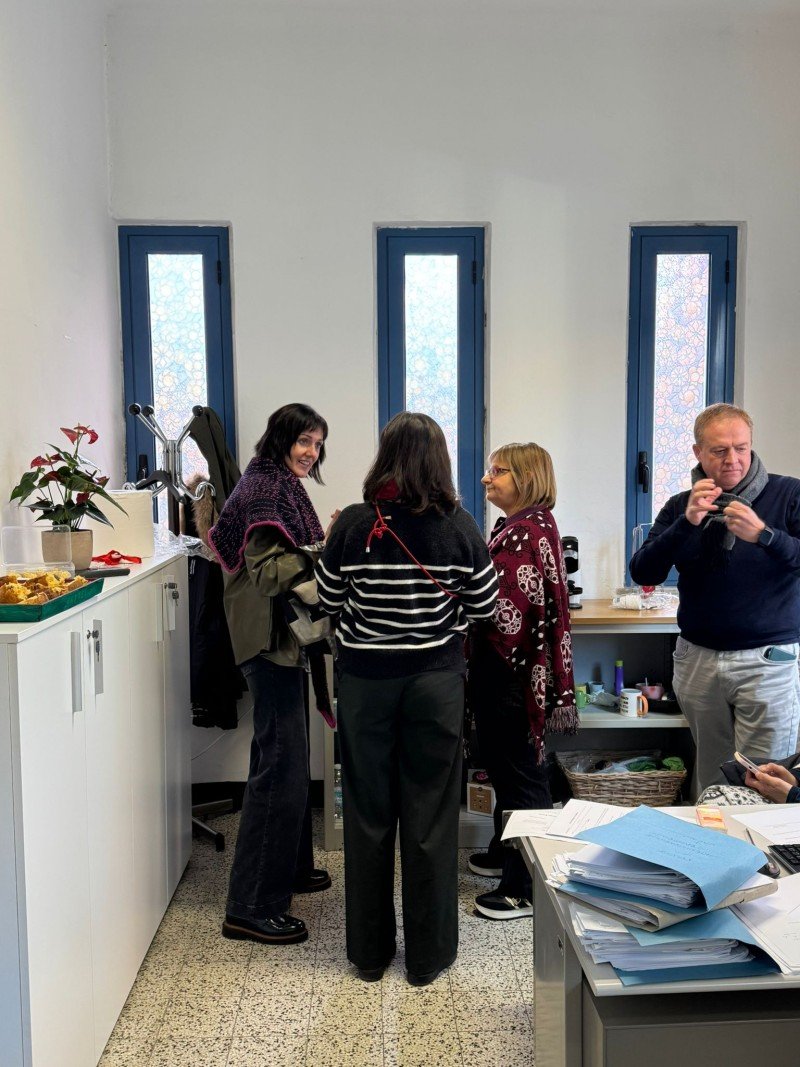
Each year, the school organises a job fair with local employers. What started as a small initiative has grown into an established event. Learners see very clearly why language skills matter — and their motivation grows visibly.
A special collaboration: childcare during classes
One project that deeply impressed us is the collaboration with a local non‑profit organisation that provides childcare during lessons — a widely felt need, yet often hard to access.
Childcare takes place in a room near the school so mothers are not tempted to go back and forth.
Trained staff care for up to ten children aged 1 to 6.
Mothers only bring diapers, wipes, and water.
During each session, the child’s needs are observed and referrals to support services are made if necessary.
It is free, accessible, and highly effective — a true example of inclusion.
A look inside a technical and maritime school
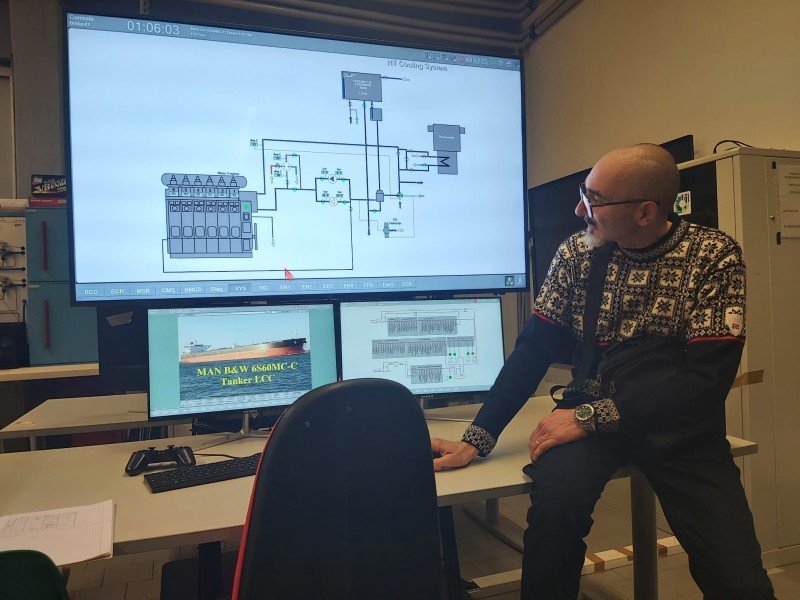
We also visited the Technical Institute Giovanni Capellini, where adults attend evening classes in electromechanics and engineering. Think robots, simulators, and high-tech equipment — the kind of learning environment any technical programme would dream of.
Additional inspiration from Massa Carrara, Poggibonsi, and Siena
Our exchange also led us to other CPIA locations and an agricultural-technical school:
CPIA Massa Carrara (Aulla)
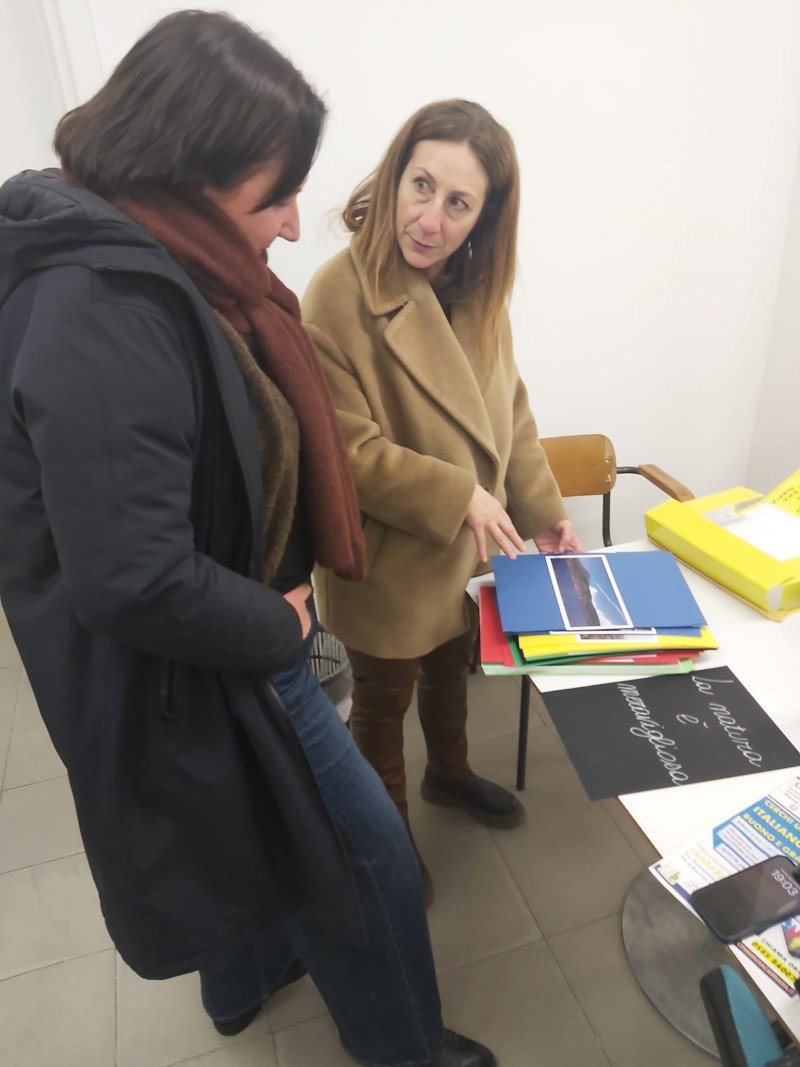
Creative, locally rooted projects linking Italian language learning with visual cards, poetry in prison, and sustainability actions such as litter‑picking. Simple, connecting, and remarkably powerful.
CPIA 1 Siena – Poggibonsi
Here we saw projects that strongly connect learners to their community:
a newspaper atelier with local and national newspapers
a collaborative mural artwork with a local artist
Istituto “B. Ricasoli” in Siena
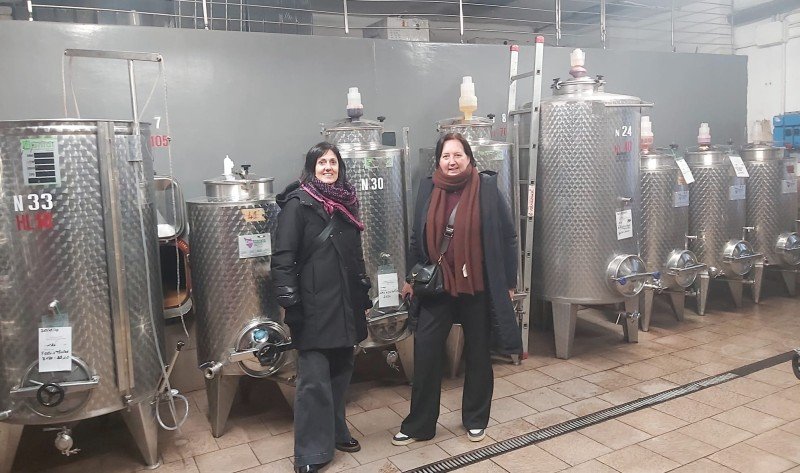
An impressive agricultural school where students learn about viticulture, vegetable growing, olive oil production, botany, and gastronomy.
The school makes full use of its surroundings — fields, greenhouses, vineyards — as real learning spaces. Theory and practice flow seamlessly together.
What are we bringing back to Crescendo CVO?
This exchange offered insights we wish to cherish and translate into our own context:
Continuing to invest in flexible intake and accessibility
Strengthening collaborations with local partners
Embedding digital skills as a foundation for all learners
Seeing inclusion not as an add‑on, but as a core principle
Developing project work based on real-life contexts and community needs
Embracing warmth and connection as powerful pedagogical tools
They were three intensive, inspiring days full of new ideas — and above all, a confirmation that internationalisation continues to challenge and inspire us.